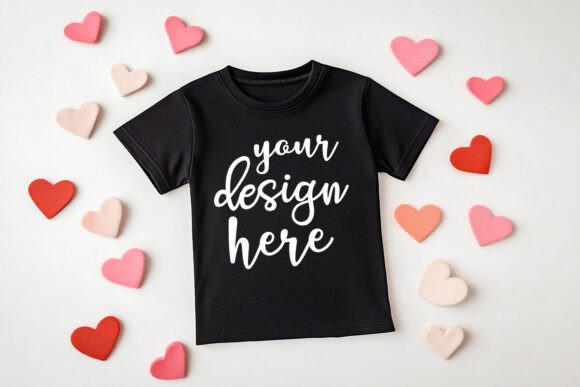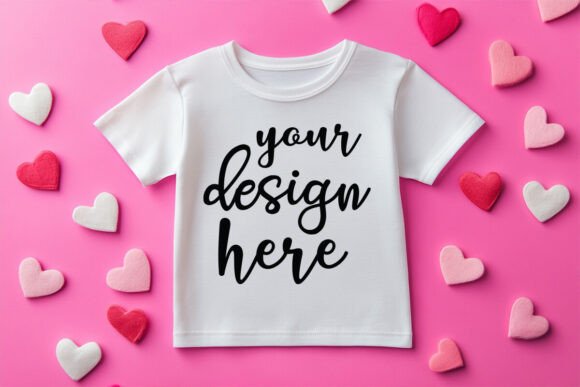
Kids Valentine T-Shirt Mockup: A Designer’s Review
As an embroidery designer who has spent years translating digital art into thread, I have learned that the gap between a screen and a finished garment is often wider than clients realize. We spend hours perfecting stitch paths, adjusting density, and selecting the right thread colors, but presenting these designs effectively is half the battle. Recently, I evaluated the Kids Valentines T-shirt Mockup to see if it truly serves the needs of modern crafters and small business owners. This isn’t just about pretty pictures; it is about practical utility for those selling handmade products and custom apparel.
First Impressions and Visual Mood
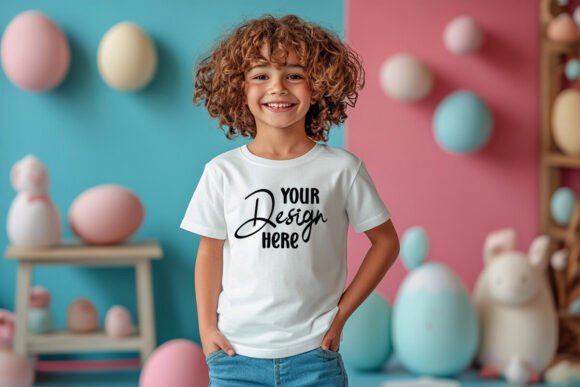
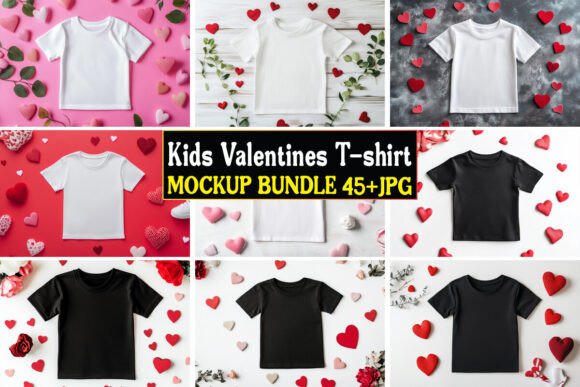
The first thing that strikes you about this mockup is its immediate emotional resonance. It captures the playful, sweet aesthetic required for children’s holiday wear without veering into cluttered or overly complex visuals. For a designer, this clarity is crucial. When I look at a printable mockup, I need to see how my design sits on the fabric, not get lost in distracting background elements. The layout here feels balanced, offering a realistic representation of how a machine embroidery design or a printed graphic would appear on a child’s torso.
The mood is warm and inviting, perfectly suited for holiday embroidery projects. Whether you are creating a simple heart motif using a satin stitch or a more intricate scene with fill stitch work, this visual context helps potential buyers imagine the final result. It bridges the gap between abstract design assets and tangible goods, which is essential for building customer trust.
Real-World Application for Embroidery Projects
I tested this concept mentally against several real-life scenarios common in my studio. Imagine preparing a custom order for a boutique client who wants matching outfits for siblings. You have digitized a cute character or phrase, but showing it flat on a white background does not convey the charm. Using the Kids Valentines T-shirt Mockup, you can visualize how the design interacts with the drape of the shirt. This is particularly useful for Etsy sellers and craft business owners who rely on strong visual presentation to drive sales.
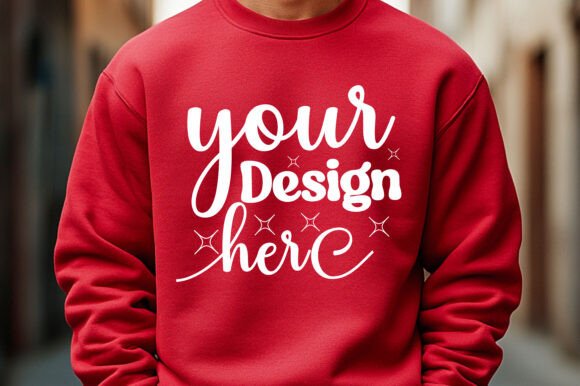
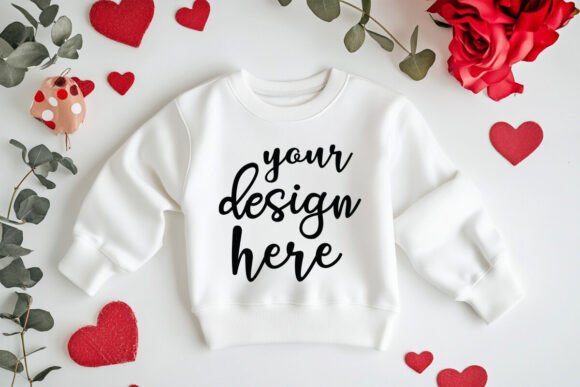
Beyond t-shirts, this tool is versatile. I considered how it might help present a tote bag design or a sweatshirt embroidery piece. While the primary focus is kids' tees, the principles of placement and scale apply across various garments. If you are selling an embroidered patch or a personalized gift, seeing the design in situ helps customers understand size and proportion. It transforms a digital file into a perceived physical object, enhancing the perceived value of your finished product.
Considerations for Fabric and Stitching
However, a mockup is only as good as the reality it represents. As an experienced reviewer, I must point out where caution is needed. Embroidery behaves differently on various materials. A design that looks crisp on a smooth cotton t-shirt in a mockup might behave differently on textured fleece or stretchy jersey. When using this visual aid, remember to account for fabric texture and stitch density.
For instance, if you are creating baby embroidery on soft, thin fabrics, you must ensure your stabilizer choice is correct to prevent puckering, regardless of how perfect the image looks. Similarly, dense areas in a design might pull on curved surfaces like caps or fitted shirts. While the mockup provides a clean canvas, real-world application requires testing on scrap fabric first. Check your hoop size constraints and ensure that tiny details, such as small lettering or intricate corners, remain clear after stitching.
Enhancing Brand Consistency and Sales
For small shop product lines, consistency is key. Using high-quality Product Mockups like this one helps maintain a professional brand image. It signals to buyers that you care about presentation and quality. When customers see a realistic depiction of a holiday gift or custom apparel item, they are more likely to engage. It reduces uncertainty, which is a major barrier in online shopping for handmade goods.
This mockup also serves well for digital embroidery file sellers. If you are selling the design itself rather than the stitched item, showing it on a realistic garment helps buyers visualize the end use. It answers the question, "What will this look like on my child?" before they even purchase the embroidery file. This can significantly boost conversion rates for commercial embroidery designers who rely on digital sales.
Practical Designer Notes
To get the most out of the Kids Valentines T-shirt Mockup, keep these practical tips in mind:
- Test Contrast: Always check how your design looks in black and white within the mockup to ensure visibility regardless of shirt color.
- Verify Licensing: Before using this for commercial listings, confirm the license terms. Ensure you have the rights to use the mockup images for selling finished products or promoting digital products.
- Check Details: Zoom in. Does the mockup resolution allow viewers to see the texture of the stitches? If not, supplement with close-up photos of actual stitched samples.
- Fabric Reality: Remember that a mockup cannot show thread sheen or fabric stretch. Use it as a guide for layout, not a guarantee of physical behavior.
- Context Matters: Use this for items where the front-center placement is standard. For all-over prints or side placements, you may need additional angles.
In conclusion, the Kids Valentines T-shirt Mockup is a valuable tool in the arsenal of any serious embroidery professional. It is not just a pretty picture; it is a strategic asset for communicating value, scale, and style to your customers. By combining this visual aid with rigorous technical testing of your applique design or running stitch outlines, you can create listings that are both beautiful and honest. For creative entrepreneurs and makers looking to elevate their craft fair products or online stores, integrating such realistic Graphics into your workflow is a smart move. Just remember, the mockup opens the door, but your stitching skill keeps the customer coming back.