Kids Sweatshirt Mockup: A Designer’s Practical Review
As an embroidery designer who has spent years translating digital art into thread, I have learned that the gap between a screen and a finished garment is often wider than clients realize. We spend hours perfecting stitch density and color palettes, but if we cannot present our work effectively, the perceived value drops instantly. This is where high-quality Product Mockups become essential tools in our workflow. Recently, I evaluated the Kids Sweatshirt Mockup, specifically looking at its utility for Valentine’s Day themes and general children’s apparel, to see if it holds up under professional scrutiny.
First Impressions and Visual Mood
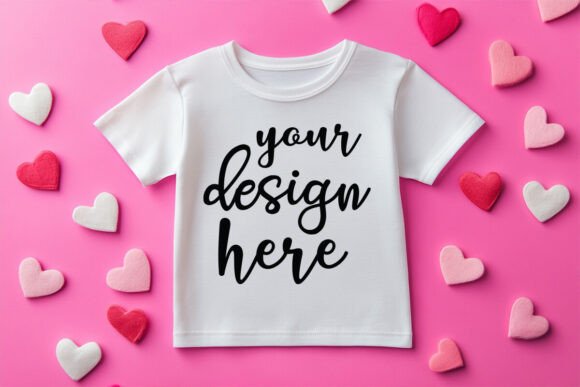
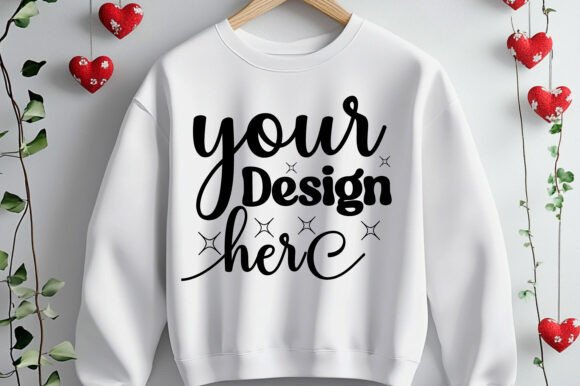
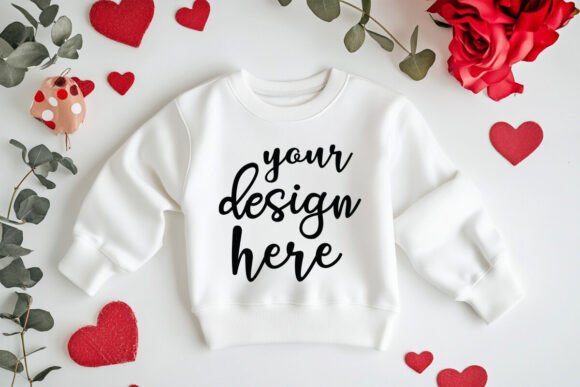
The first thing you notice about this mockup is its warmth. It does not feel sterile or overly corporate, which is a common pitfall with generic Graphics found online. Instead, the layout suggests comfort and playfulness, aligning perfectly with the target demographic of parents buying for toddlers and young children. The visual personality is soft yet clear, allowing the central design area to remain the focal point without distraction.
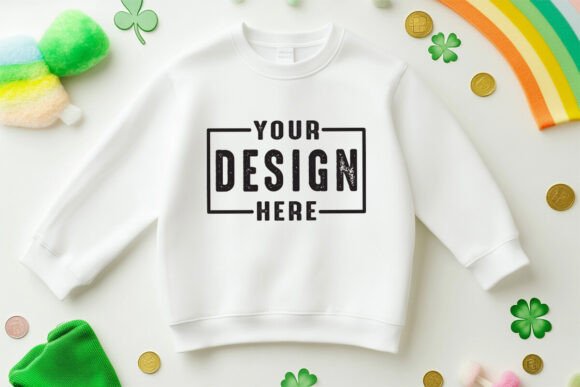
For an embroidery project, this clarity is vital. When I look at a mockup, I am checking for realistic fabric drape and shadowing. Does the sweatshirt look like heavy cotton or thin polyester? In this case, the texture implies a mid-weight fleece, which is ideal for most machine embroidery designs. It creates a mental image of a cozy, high-quality handmade product rather than a mass-produced item. This mood sets the stage for showcasing intricate satin stitch details or bold fill stitch patterns without the background fighting for attention.
Real-World Application for Craft Businesses
Let us consider a real-life scenario. Imagine you are an Etsy seller preparing for the Valentine’s rush. You have created a charming heart-themed applique design intended for a toddler’s sweatshirt. You need to list this item quickly, but you do not have time to stitch out five different color variations on physical garments just for photos. This is where the Kids Sweatshirt Mockup proves its worth.
By placing your SVG cut file or embroidered illustration onto this template, you can instantly visualize how the design sits on the chest or sleeve. It allows you to test contrast. For instance, if your thread colors are pastel pink and white, does they pop against the mockup’s base color? If not, you can adjust your digital palette before wasting thread and stabilizer on a test run. This efficiency is crucial for small shop owners who operate on tight margins.
Beyond seasonal holiday embroidery, this tool is versatile for year-round custom apparel. Whether you are designing a personalized gift for a baby shower, creating boutique branding for a local daycare, or listing a standard tote bag design, the ability to swap graphics seamlessly saves hours of photography setup. It transforms a simple digital embroidery file into a compelling sales asset.
Technical Considerations for Embroiderers
While the mockup is excellent for presentation, we must remember it is a visual aid, not a substitute for technical testing. As a reviewer, I always advise checking specific constraints before committing to production. The mockup shows a smooth surface, but real-world fabrics behave differently. If you are using this to preview a design for a stretchy fabric or a textured towel, be cautious. The mockup may not accurately represent how a dense stitch area will pull on thin material or how a running stitch might sink into plush fleece.
Pay close attention to the scale. A design that looks balanced on the screen might be too large for a small hoop size once stitched. Use the mockup to check proportions, but always confirm your actual hoop size and stitch count in your digitizing software. Additionally, consider the corners and detailed areas. If your design has tiny lettering or intricate decorative accents, ensure they are legible at the size shown in the mockup. If they appear blurry or cramped in the preview, they will likely cause thread breaks or poor definition in the finished product.
Enhancing Brand Consistency and Trust
Professionalism in the craft business is often judged by presentation. Customers browsing for personalized products want to trust that the final item will match their expectations. Using a consistent set of high-quality mockups helps build brand recognition. When buyers see your Kids Sweatshirt Mockup listings repeatedly, they begin to associate that clean, warm aesthetic with your brand’s reliability.
This consistency extends to digital product sellers as well. If you sell digital embroidery files or printable mockups, showing your assets in a realistic context increases buyer engagement. It helps hobbyists and makers visualize the potential of your design assets in their own projects. It bridges the gap between abstract digital files and tangible handmade goods, fostering greater customer trust.
Practical Designer Notes
To get the most out of this resource, keep these practical tips in mind:
- Test on Scrap Fabric: Never rely solely on the mockup for technical validation. Always stitch a sample on similar fabric to check tension and stabilizer needs.
- Check Contrast: Use the mockup to test your thread colors against both light and dark backgrounds. A design that works on white may vanish on navy.
- Verify Licensing: Before selling finished items or using the mockup in commercial embroidery projects, confirm the license terms. Ensure you have the right to use the image for commercial purposes.
- Inspect Details: Zoom in on your design within the mockup. If small details look muddy, simplify your stitch pattern or increase the size.
- Consider the End Use: Think about washing and wear. A design that looks great in a mockup might be too stiff for a baby’s sensitive skin if the stitch density is too high.
Final Verdict
The Kids Sweatshirt Mockup is a solid addition to any designer’s toolkit, particularly for those focusing on children’s apparel and seasonal gifts. It offers a realistic, warm presentation that enhances the appeal of embroidery designs without requiring extensive photo shoots. However, it should be used as a complementary tool alongside rigorous technical testing. By combining this visual asset with careful attention to stitch density, fabric texture, and hoop limitations, you can create listings that not only look beautiful but also result in high-quality, durable finished products. For Etsy sellers and craft entrepreneurs, this balance of aesthetics and practicality is key to long-term success.