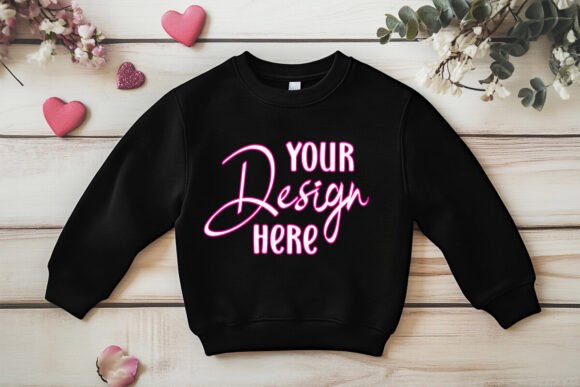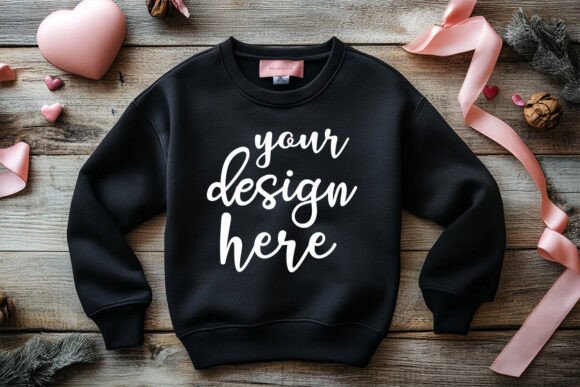
Valentines Day Sweatshirt Mockup: Graphics for Product Mockups
As a brand designer who has spent the last decade helping local businesses transition from kitchen-table startups to shelf-ready brands, I have learned that presentation is often more critical than the product itself. When I first loaded the Valentines Day Sweatshirt Mockup into my workspace, I was not just looking for a pretty picture. I was evaluating a tool that could bridge the gap between a digital file and a tangible customer experience. This asset is not merely a placeholder; it is a strategic component of modern small business branding.
The immediate impression this mockup creates is one of approachable warmth. It does not scream luxury minimalism, nor does it feel corporate or sterile. Instead, it radiates a friendly, handmade energy that is perfect for boutique owners, candle makers, and artisanal food producers. The soft texture of the Gildan 18000 garment suggests comfort and durability, qualities that transfer psychologically to the brand using it. For a local business, this mood is invaluable. It tells the customer that the brand cares about quality and comfort, creating an emotional connection before a single word of copy is read.
Elevating Local Business Identity Through Visual Context
In the world of commercial design, context is king. A logo on a white background is a legal entity; a logo on a sweatshirt worn by a happy customer is a lifestyle. This graphic design asset allows designers to showcase their work in a realistic environment. Imagine a local skincare brand launching a limited-edition Valentine’s set. By placing their product label design onto this mockup, they can demonstrate how their branding looks in a casual, everyday setting. It moves the conversation from abstract colors to real-world application.
This versatility makes it an essential tool for packaging design and promotional visuals. While traditionally used for apparel, creative entrepreneurs are increasingly using such mockups to display SVG cut files, watercolor illustrations, and even digital prints. If you are a handmade seller on Etsy or a creative entrepreneur managing a Shopify store, showing your design on a high-quality garment helps customers visualize the end result. It reduces purchase anxiety and increases conversion rates by providing a clear, professional preview of the final item.
Strategic Applications for Marketing and Sales
The utility of this mockup extends far beyond simple product display. For social media managers and marketers, it is a powerhouse for creating engaging content. You can use it to announce seasonal campaigns, highlight new colorways, or showcase customer testimonials overlaid on the garment. The visual hierarchy provided by the natural folds and lighting of the sweatshirt draws the eye directly to the center, where your logo design or illustration sits. This ensures that your brand message is the focal point, supporting stronger first impressions and better product recognition.
Consider a florist or a chocolate shop looking to expand their merchandise line. Using this Product Mockup, they can test potential designs without the cost of physical sampling. They can experiment with different font pairings—testing how a delicate script font contrasts with a bold sans serif header. This iterative process is crucial for refining brand identity. It allows for rapid prototyping of marketing visuals, ensuring that the final printed product aligns perfectly with the brand’s aesthetic goals.
Where to Use It and Where to Exercise Caution
While this asset is powerful, it is not a one-size-fits-all solution. It works best for brands that want to project authenticity, warmth, and creativity. It is ideal for hero graphics on websites, decorative brand elements in email newsletters, and thank-you cards included in shipments. However, it should be used carefully in certain contexts. For formal corporate branding or luxury minimalist brands that rely on stark, clean lines, the textured, casual nature of a sweatshirt might dilute the intended message of exclusivity.
Additionally, designers must be mindful of visual clutter. If your product label or design is highly detailed with small text, ensure it remains legible when scaled down on the mockup. Avoid using this asset for layouts where the decoration competes with important legal information or ingredient lists. The goal is to enhance the design, not obscure it. Always check black and white usage to ensure your design holds up without color, and preview it on smaller screens to confirm that the details remain clear.
Practical Notes for the Professional Designer
Before delivering this asset to a client or using it in a commercial project, there are several technical checks to perform. First, confirm the commercial license terms. Ensure that your usage aligns with the permissions granted, especially if you are selling the final designed product. Next, inspect the PNG transparency. A clean edge is vital for seamless integration into various backgrounds, whether for web design or printable design materials.
Test the mockup with your specific brand colors. Some shades may vibrate against the fabric tone, while others may blend in too much. Compare your design against competitor packaging to ensure you stand out. If you are working with vector files, check the SVG editability to make minor adjustments to the placement or scale of your illustration. Finally, consider the font styles you pair with the image. A handwritten font might enhance the handmade feel, while a display font could add a modern twist. The right combination can elevate a simple digital product into a compelling brand story.
In conclusion, the Valentines Day Sweatshirt Mockup is more than just a template; it is a strategic asset for any local business looking to strengthen its market presence. By providing a realistic, high-quality preview of designs, it builds customer trust and enhances the perceived value of the product. Whether you are designing for a bakery, a boutique, or a handmade soap business, this tool offers the professional polish needed to compete in today’s crowded marketplace. Use it wisely, test it thoroughly, and let it help you tell your brand’s story with clarity and confidence.