Gildan 18000 Christmas Mockup: Graphics & Product Mockups
As a graphic designer who has spent the last decade refining brand identities and preparing print-ready files for small business owners, I approach every new graphic design asset with a critical eye. We are not just looking for pretty pictures; we are looking for tools that solve problems, save time, and elevate the perceived value of our clients' products. Recently, I integrated the Gildan 18000 Christmas T-shirt Mockup into a seasonal campaign for a boutique handmade clothing brand, and the results offered some valuable insights into how specific Product Mockups can influence client approval and consumer engagement.
First Impressions and Visual Mood
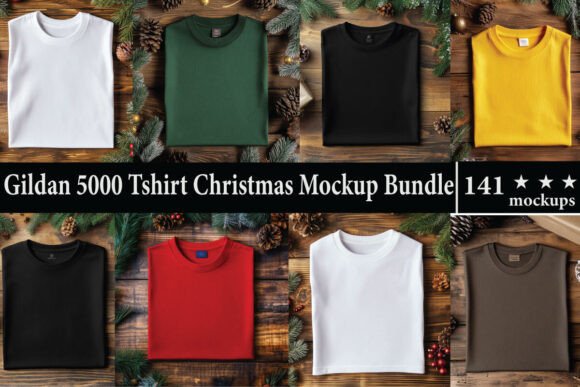
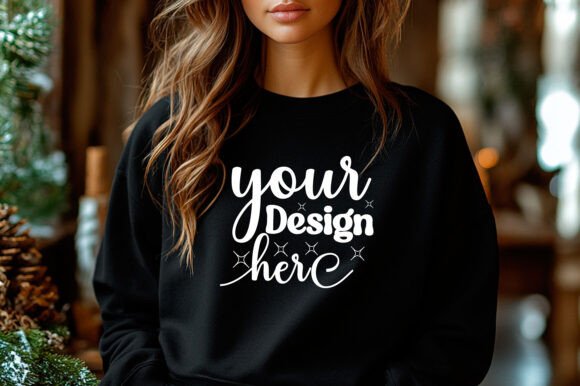
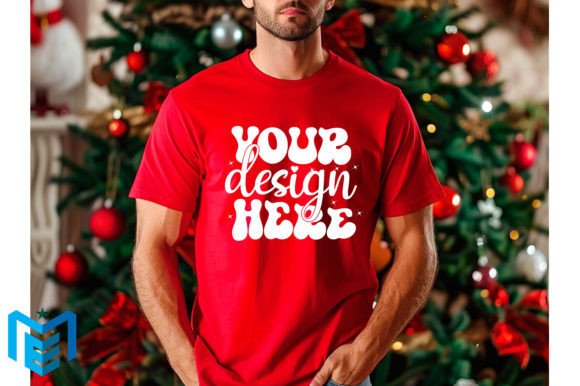
The first thing you notice about this asset is its grounded realism. Unlike generic, floating t-shirt templates that often look sterile or disconnected from reality, this mockup captures the specific texture and drape of the Gildan 18000 Heavy Blend crewneck. For a designer, this matters immensely. The visual mood it creates is one of warmth, durability, and authentic comfort. It does not scream "digital fabrication"; instead, it whispers "tangible product."
This aesthetic naturally fits projects targeting audiences who value craftsmanship and quality. If you are working with a client in the handmade business sector, an Etsy shop owner launching a holiday collection, or a local boutique preparing for winter sales, this mockup aligns perfectly with their brand narrative. It supports a design direction that is cozy, inviting, and trustworthy, which is essential for converting browsers into buyers during the competitive holiday season.
Performance in Real Design Situations
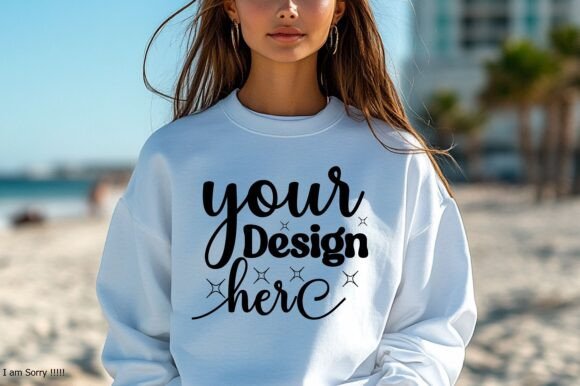
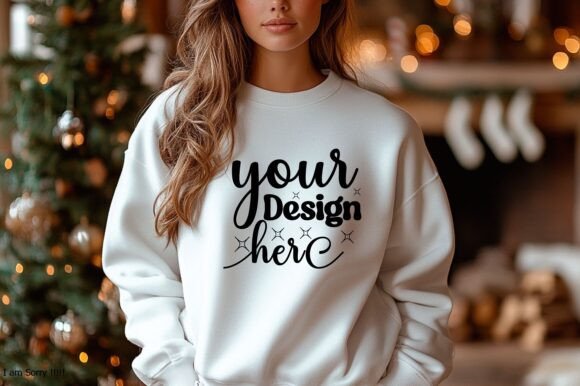
In my recent project, I used this mockup to present three different t-shirt design concepts to the client. The versatility of the file allowed me to showcase various art styles effectively. Whether you are placing a bold SVG design, a delicate watercolor illustration, or a complex vector logo, the mockup handles the integration smoothly. It serves as an excellent canvas for displaying clipart, drawings, and even sublimation design patterns without losing the integrity of the original artwork.
Beyond simple apparel presentation, this asset performs well in broader marketing contexts. I have found it useful for creating cohesive social media graphics for Instagram and Pinterest, where visual consistency is key. It also works surprisingly well for packaging design previews, helping clients visualize how their branded merchandise will look when unboxed. For Cricut users and digital sellers, it provides a professional way to display printable design files and cut files, adding a layer of professionalism that static flat lays often lack.
Strategic Placement and Layout Considerations
Understanding where this asset shines is crucial for maintaining visual hierarchy. It works best in large layout areas, such as hero images on landing pages, main product photos in an online store, or featured images in blog posts. The detail in the fabric texture demands space to be appreciated. It is ideal for themed collections and campaign visuals where the garment itself is part of the story.
However, there are scenarios where this mockup should be used carefully. Due to the inherent texture and folds of the fabric, it may not be suitable for minimalist branding projects that require ultra-clean lines and high contrast. Avoid using it for small-sized thumbnails where the details might become muddy, or for complex backgrounds that compete with the t-shirt's form. It is also less effective for corporate materials that require a stark, formal aesthetic. Always ensure that your text and logo elements have sufficient contrast against the fabric color to maintain readability.
Impact on Brand Perception and Trust
The choice of mockup directly affects brand consistency and visual trust. When a customer sees a design on a realistic, high-quality garment like the Gildan 18000, they subconsciously associate the design with higher quality. This emotional appeal can significantly boost audience engagement. In contrast, poorly executed or obviously fake mockups can undermine professionalism and make a small business branding effort look amateurish.
By using this specific mockup, you signal to your audience that you care about the final product experience. It enhances recognition and helps potential customers imagine themselves wearing the item. This is particularly important for print-on-demand sellers who cannot always provide physical samples for photography. A high-fidelity mockup bridges that gap, providing the confidence needed to complete a purchase.
Practical Designer Notes and Technical Checks
Before committing to any commercial design project, I always run a series of technical checks. Here is my workflow for evaluating this type of asset:
- Test in Black and White: Convert your design to grayscale to ensure the contrast holds up without color reliance. This helps identify if your artwork gets lost in the shadows of the fabric folds.
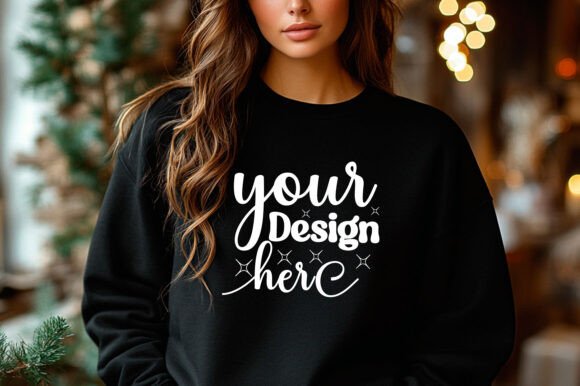
- Check Contrast: Preview your design on both light and dark versions of the mockup if available. Ensure your colors pop and do not blend into the garment.
- Size Preview: Zoom out to view the image at thumbnail size, then zoom in to 100%. Verify that edges remain crisp and details are visible at both scales.
- File Format Inspection: Confirm whether you are working with a PNG design with transparency or a layered PSD. If using SVGs, check editability and ensure paths are clean.
- Font Pairing: Experiment with different typography. See how your design interacts with serif, sans serif, script, handwritten, and display font styles. The casual nature of the t-shirt often pairs well with handwritten or bold display fonts.
- Licensing Verification: Always confirm the commercial license terms. Ensure you have the right to use the mockup for client work, especially if you are selling the final designs as part of a design bundle or individual Etsy product.
Final Verdict for Creative Professionals
The Gildan 18000 Christmas T-shirt Mockup is more than just a placeholder; it is a strategic tool for modern design communication. It allows designers, marketers, and content creators to present their work in a context that feels real and attainable. For anyone involved in web design, editorial design, or creating marketing visuals, having a reliable, high-quality mockup in your toolkit is indispensable.
Whether you are a Crafter looking to showcase a new sticker design on apparel, a blogger needing engaging Canva template alternatives, or a professional designer building a comprehensive brand identity, this asset delivers. It simplifies the process of showing clients exactly how their illustration or logo design will look in the real world. By choosing assets that prioritize realism and quality, you elevate your own professional standard and deliver greater value to your clients. In the crowded creative marketplace, these details make all the difference.